Montego Bay, Jamaica’s tourism capital, has the potential to become an economic powerhouse. Outside of its beautiful white sand beaches, spirited people and brand name that service tourists, there is an abundance of potential waiting to be explored. The city is like a pearl stuck in a clamshell: precious, luminous, but enclosed by layers of neglect, poor planning, political inertia, mismanagement and small thinking. For the city to flourish, it must first overcome these constraints.
The Outer Shell: Stagnation and Mismanagement
Montego Bay is not just competing with its past; it is competing with other countries in the Caribbean and across the world. As international destinations become more appealing, Montego Bay must do more than maintain itself, it must evolve futuristically. Cities like Cartagena, Medellín, and Punta Cana are attracting higher-income tourists with modern amenities, vibrant nightlife, cultural integration, and clean, safe public spaces. If Montego Bay fails to modernize, it risks falling behind in the regional tourism race.
We cannot afford to settle for high visitor numbers alone; we must aim to attract wealthier tourists who spend more per visit. This means investing in premium experiences, safety, cleanliness, and world-class services that justify a higher spend. The goal is not only more tourists—but better tourism. Montego Bay must become a destination known for quality, not just quantity.
In 2024, Jamaica welcomed approximately 4.3 million visitors, a 4.9% increase from 2023’s 4.1 million. Yet tourism earnings remained flat at US$4.3 billion, the same for both years, suggesting that while more people are visiting, they are spending less per capita. Meanwhile, the Dominican Republic attracted 7.65 million tourists, and Colombia surged to a record 6.7 million visitors, driven by diversified attractions, 24-hour beach access, and creative marketing campaigns like “Colombia, the country of beauty.” What these cities have accomplished is not magic; it is a result of vision, planning, and execution. Montego Bay, by contrast, is caught in an outdated model of development.
The Inner Pearl: Untapped Potential
Projects like Harmony Beach Park, Harbor City Mall, and the new perimeter road are steps in the right direction but are insufficient on their own. The city must think bigger. The perimeter road, for instance, should not only improve traffic flow but also open up economic zones in the interior. Currently, the interior areas are mainly residential with a few small businesses in between that are disconnected from the commercial fabric of the city. Integrating BPO offices, health tourism centers, and innovation hubs along the corridor could spread economic activity and reduce dependence and the overcrowding downtown.
Sam Sharpe Square, the Hip Strip, the people’s arcades, the shoe market and the Charle’s Gordon market are in desperate need of revitalization. Harmony Beach Park, once known as Dump-Up Beach, where boys from the inner city played football on a Sunday, has been redeveloped but lacks core amenities like a futsal court, swimming pool, and an outdoor gym. Public beaches such as One-Man Beach, Sunset Beach and Dead End need clean, accessible restrooms.
Breaking the Shell: What Needs to Change
One positive trend is that crime in Montego Bay is falling, thanks to the persistent efforts of the police force. This progress must be acknowledged and supported with further investment in community safety. However, several parts of the city remain poorly lit, especially at night. The main corridor from Harmony beach park to Margaritaville is a prime example. Tourists are afraid to walk in certain areas, and residents face real danger, pedestrians are being injured or killed trying to crossroads in the dark. A serious city management team would have observed and solved this issue.
The current leadership’s focus on optics over outcomes is part of the problem. The recent controversy involving the removal of my campaign posters and subsequent legal defeat of the mayor has underscored a broader issue: criticism is met with defensiveness rather than reflection. The mayor’s honest assessment is that the city of Montego Bay is the cleanest city in the country. This statement says a lot for his ambitions of himself and the ambitions of the city. The mayor doesn’t understand, how tourism taxes, fees and programs have transformed tourism cities across the world. When technology makes services more efficient, when public infrastructure improves, the tourism product will improve, and people will have a better outlook of the city. To go one step further, Montego Bay must adopt solutions that other cities have already embraced. In Brazil, citizens earn cash by turning in recyclable materials like glass, paper, and tin cans—a model that promotes both cleanliness and economic inclusion. Montego Bay could implement similar programs with immediate impact.
A City Ready to Shine
No discussion about the stagnation of Montego Bay is complete without acknowledging the ongoing neglect faced by the residents of St. James West Central. For nine years, the current Member of Parliament has presided over a constituency where progress has been painfully slow. There are communities still without proper roads, homes without reliable access to water, and families still waiting on land titles that require nothing more than a signature of authorization to move forward. Young people, in particular, have been left behind, lacking not just jobs, but a sense of direction or opportunity. The stagnation here is not due to a lack of potential, but a lack of will. The same political indifference that has kept the wider city from modernizing has also denied the people of St. James West Central the tools they need to participate in Jamaica’s future. This constituency deserves better—better infrastructure, better governance, and better opportunities. Real transformation must begin at the community level, where people are not just statistics, but citizens waiting for change.
The pearl is already there. The question is: do we have the courage to crack the clamshell wide open? Montego Bay doesn’t need pity or platitudes—it needs leadership, investment, and a clear roadmap. It is time to move beyond excuses and politics. It is time to make Montego Bay the city it was always meant to be.
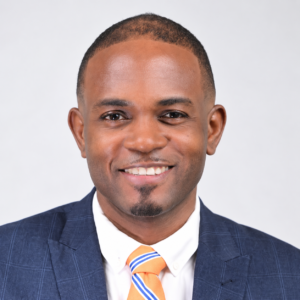
Dr Andre Haughton is a Senior Lecturer in the Department of Economics at the University of the West Indies, Mona. He is also the People’s National Party Shadow Cabinet Minister to Commerce, Innovation and Technology. He is the Member of Parliament caretaker for the St James West Central Constituency. He is the Author of Developing Sustainable Balance of Payments in Small Countries and Overcoming Productivity Challenges in Small Countries. You can contact him via social media at @drandrehaughton on Instagram, Facebook, Twitter and Linked-In.
Join the discussion
Tell me what you think. Comments are moderated, so keep it respectful.